
The Allure of Gambling: Understanding the Attraction
The fascination with gambling at casinos can be attributed to various psychological factors that entice individuals into the gaming environment. The thrill of uncertainty plays a crucial role; players are drawn to the possibility of winning, which can create an adrenaline rush. This excitement is often amplified in casinos, where bright lights, enticing sounds, and the presence of other players create an intoxicating atmosphere that heightens the emotional stakes. For those interested in exploring the best options, the top 10 online casino australia real money experiences offer a variety of thrilling games and winning potential. The sheer unpredictability of outcomes feeds into the human predilection for risk, making the experience both thrilling and addictive.
Moreover, the social aspect of gambling cannot be overlooked. Many individuals enjoy the communal experience of sharing a betting table or cheering for a shared outcome. This sense of belonging can enhance the overall enjoyment of the game. The camaraderie that develops between players, along with the interactions with dealers and staff, creates a vibrant social hub where people can escape their daily lives and immerse themselves in a world of chance and fortune. The social interactions often lead to shared experiences that enhance the excitement, making every win or loss feel more impactful.
Furthermore, the cognitive bias known as the «illusion of control» often plays a significant role in attracting individuals to casinos. Players tend to believe they have more control over their outcomes than they truly do. For instance, a gambler may feel that their strategies or rituals can influence the results of a game, leading to increased engagement. This misguided belief can further entrap players, encouraging them to invest more time and money in pursuit of elusive wins, often overshadowing the reality that outcomes in games of chance are largely beyond their control.
The Role of Reward Systems in Gambling
Casinos are designed to maximize engagement through sophisticated reward systems that appeal to the psychological triggers of players. The immediate gratification of small wins is strategically utilized to keep players motivated, creating a cycle of behavior that is hard to break. These rewards stimulate the brain’s pleasure centers, releasing dopamine and reinforcing the desire to continue playing. As a result, even modest gains can create a sense of euphoria that overshadows losses, encouraging players to chase their next win, often leading them to gamble more than they initially intended.
Additionally, casinos often implement loyalty programs that reward frequent players with tangible benefits, such as free meals, hotel stays, or exclusive access to events. These incentives tap into the psychological principle of reciprocity, where individuals feel compelled to continue playing to justify the rewards they receive. This phenomenon is particularly potent in fostering habitual gaming behavior, as players strive to maintain or elevate their status within the casino’s reward hierarchy. The feeling of being valued can create a deeper attachment to the casino environment.
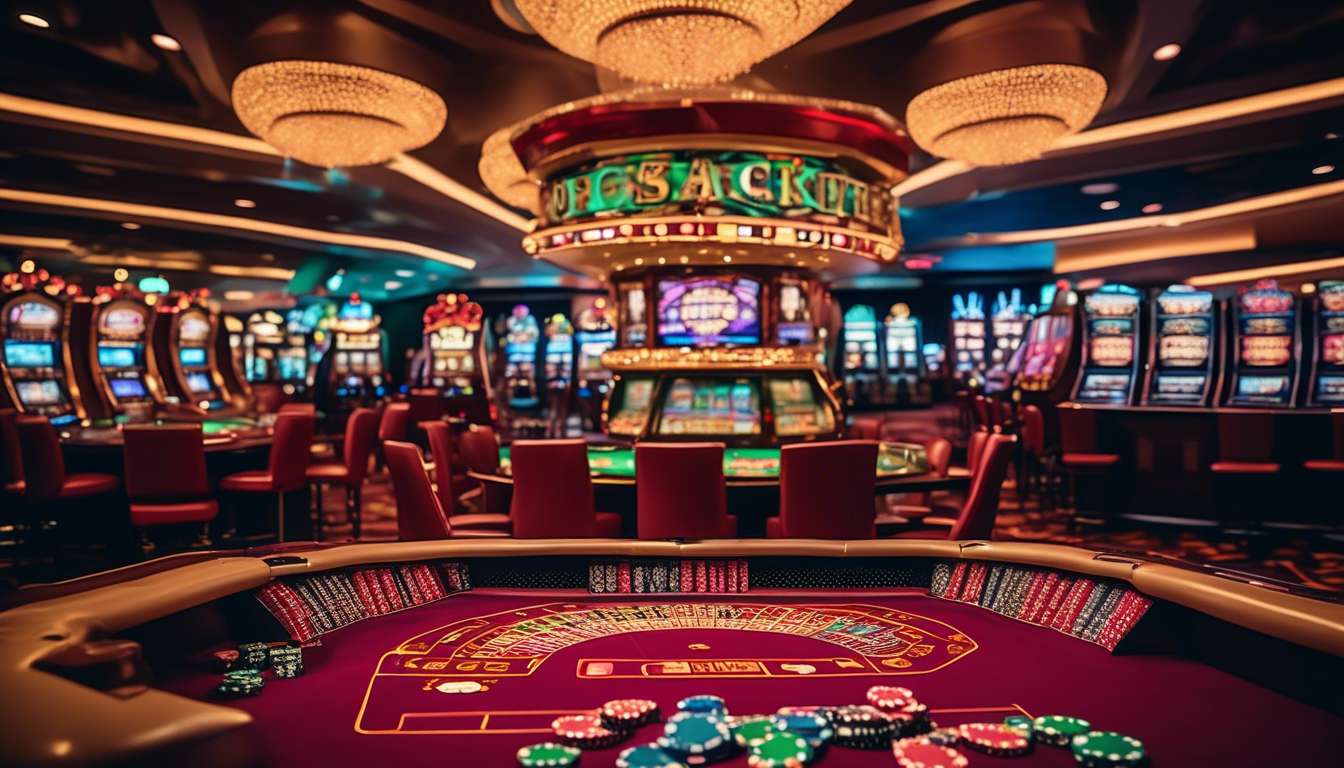
Moreover, the environment itself plays a pivotal role in enhancing the player’s experience. The layout of a casino, with its endless rows of machines and gaming tables, is intentionally designed to disorient and immerse players, making it easy to lose track of time and money. The absence of clocks and windows further contributes to this effect, encouraging players to stay longer and gamble more. This engineered experience exploits cognitive biases and maximizes the likelihood of continued engagement with the games, often leading to prolonged sessions that can impact financial and personal well-being.
The Impact of Losses and Gambling Addiction
The psychological burden of losses in gambling can lead to severe emotional distress and may contribute to the development of gambling addiction. Individuals often experience a cycle of chasing losses, where the desire to recover previous losses drives them to gamble more, sometimes leading to even greater financial setbacks. This behavior is closely linked to the phenomenon known as «loss aversion,» where the pain of losing is felt more intensely than the pleasure of winning. This effect can create a dangerous compulsion, pushing individuals to engage in increasingly risky behaviors, often without realizing the long-term consequences.
Furthermore, the stigma around gambling addiction can make it challenging for individuals to seek help. Many individuals may feel embarrassed or ashamed to admit they have a problem, often exacerbating their isolation and deepening their struggles. Denial is common, as players might rationalize their behavior by focusing on the potential for future wins or by downplaying the severity of their losses. This ambivalence can create a turbulent emotional landscape, characterized by guilt, anxiety, and desperation, making it difficult for them to break free from the cycle of addiction.
As awareness grows regarding the psychological implications of gambling, many casinos are implementing responsible gambling measures. These include providing resources for players to set limits on their spending, access to self-exclusion programs, and support services for those struggling with addiction. Such initiatives aim to promote healthier gaming habits and offer a safety net for individuals who recognize the risks involved in gambling. However, the effectiveness of these measures ultimately relies on the willingness of players to acknowledge their behavior and seek assistance, highlighting the importance of education and awareness in combating gambling addiction.
The Influence of Marketing and Promotions
The marketing strategies employed by casinos are designed to attract new players while retaining existing ones, often leveraging psychological principles to enhance their appeal. Advertisements typically emphasize extraordinary wins and luxurious experiences, creating an aspirational image that can entice individuals to visit. By showcasing stories of life-changing jackpots, casinos tap into the dream of wealth, further motivating individuals to partake in gambling activities, despite the odds often being against them. This creates a powerful allure that can cloud rational judgment.

Additionally, promotional events, such as special tournaments or themed nights, create a sense of urgency and excitement, compelling individuals to participate. Limited-time offers can induce fear of missing out (FOMO), prompting swift decision-making that prioritizes immediate gratification over long-term consequences. Such tactics can overshadow the inherent risks of gambling, making it easy for individuals to overlook the potential downsides as they chase thrilling experiences. This marketing approach can significantly influence players’ behaviors and choices, often leading them to gamble more than they initially planned.
The persuasive power of casino marketing underscores the complexities of the gambling experience. As individuals become enmeshed in enticing promotions and alluring marketing campaigns, they may fail to recognize the psychological manipulations at play. This lack of awareness can lead to impulsive behavior and poor decision-making, ultimately heightening the risk of financial loss and emotional turmoil as players navigate their relationship with gambling. Understanding these marketing strategies is essential for players to develop a more critical perspective on their gambling habits.
Exploring Responsible Gambling and Support Resources
As the dynamics of gambling at casinos continue to evolve, the conversation around responsible gambling has gained traction. Recognizing the potential psychological harms associated with gambling, many casinos and organizations are prioritizing education and resources to promote healthier gaming behaviors. This includes offering workshops, informational materials, and even engaging with mental health professionals to support individuals seeking help for their gambling issues. Such initiatives aim to create an environment where players feel informed and empowered to make safer choices.
Additionally, online resources and community support groups have emerged as vital tools for those affected by gambling addiction. These platforms provide a safe space for individuals to share their experiences, gain insights, and find support from others facing similar challenges. The narrative surrounding gambling is shifting toward one of awareness and prevention, with concerted efforts to reduce stigma and encourage open discussions about the psychological impacts of gambling. This community aspect can play a crucial role in recovery and resilience.
Ultimately, the goal is to create a balanced approach to gambling that acknowledges its entertainment value while addressing the potential risks involved. By fostering responsible gaming practices and emphasizing self-awareness, individuals can engage with gambling in a manner that minimizes adverse psychological effects. As the industry adapts to these changing paradigms, players are empowered to make informed choices, ensuring that the thrill of gambling remains a fun activity rather than a harmful addiction. The focus on responsible gambling not only benefits individuals but also promotes a healthier gaming environment for everyone involved.
Comentarios recientes